
Trusted by Leading Montessori Schools & Educational Organizations

NATURAL CONSEQUENCES
Learning Through Mistakes and Struggles
How can we support children through mistakes and struggles without rescuing them from the opportunity to learn?

SEPARATION ANXIETY
Supporting Children Through Transitions
Sebastian’s story shows how separation anxiety can emerge even when a child initially seems comfortable starting school. It also highlights the important role teachers play in supporting both the child and the parent through this transition.
EXCLUSION
Creating a Culture of Belonging
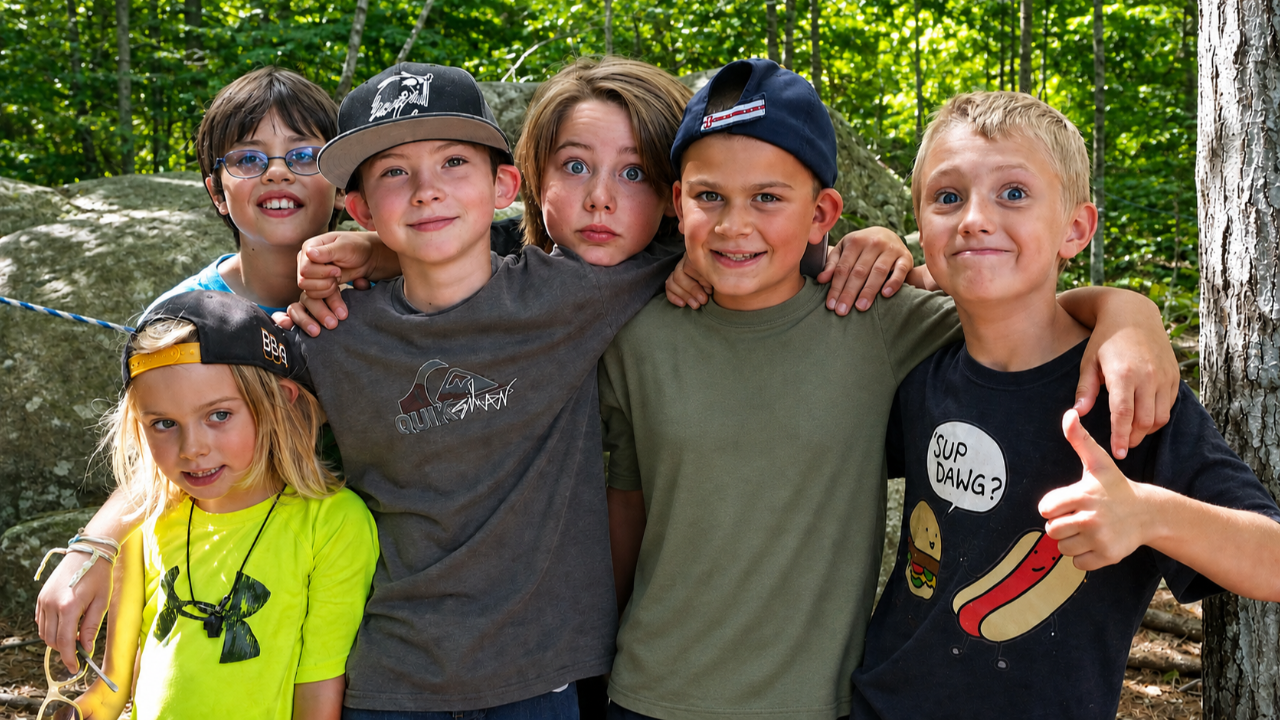
Exclusion can deeply affect children by sending the message, “You don’t belong here.” This article explores how Montessori communities can foster belonging, significance, and connection.
ABOUT
Positive Discipline
in the Montessori Classroom
Respectful classrooms where freedom and responsibility grow together.
Positive Discipline in the Montessori Classroom
What Is PDMC?
Positive Discipline in the Montessori Classroom is the natural expression of Montessori principles through practical application. It reflects our deep commitment to respect for the child, belonging within community, and the development of purposeful independence. Grounded in Adlerian psychology and Montessori pedagogy, this approach to Montessori classroom management moves beyond rewards and punishments to cultivate intrinsic motivation, responsibility, and social awareness.
Through consistent, respectful guidance and thoughtfully designed structures, educators strengthen children’s sense of capability while fostering a supportive and connected classroom community — creating environments where freedom and responsibility grow together.
Explore Our Programs
PDMC Training
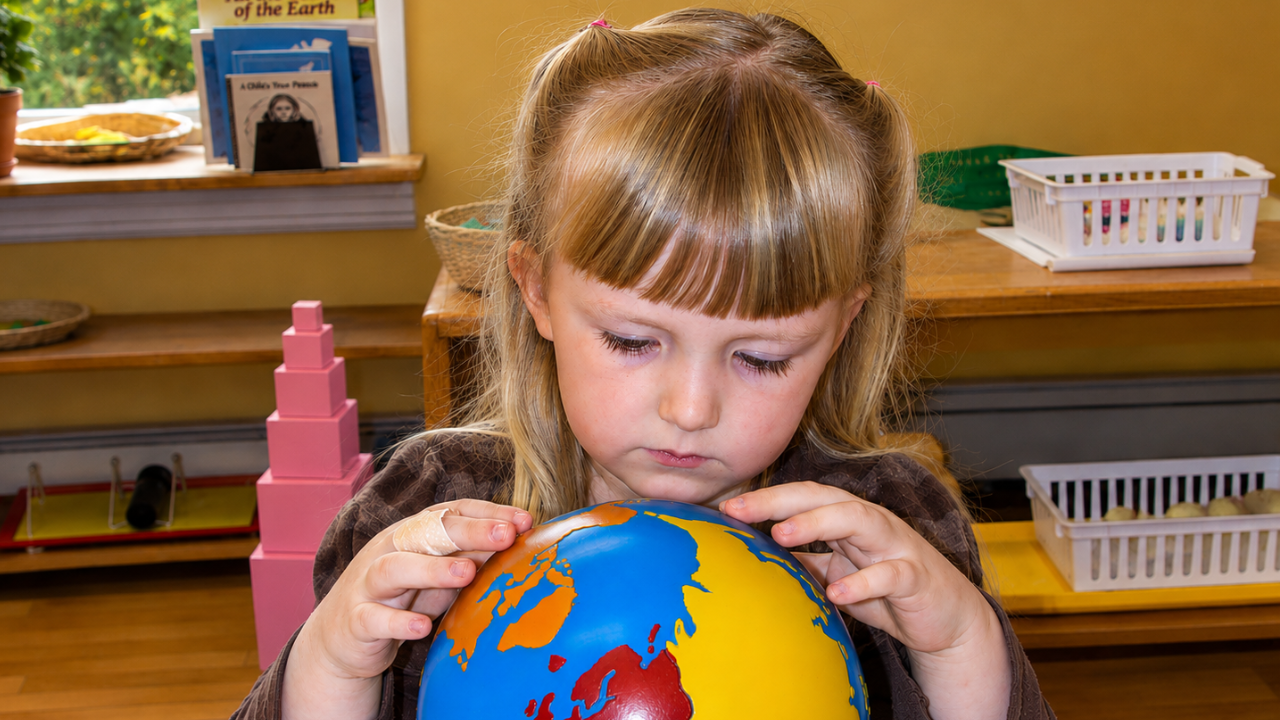
Foundational Training
Practitioner’s Pathway
Positive Discipline in the Montessori Classroom (PDMC) offers a training development pathway for Montessori educators to support the preparation of respectful, cooperative, and responsible classroom communities. The PDMC Practitioner Pathway enables Montessori educators to first learn the core principles and tools of Positive Discipline and then deepen their practice through advanced study and application.
Level 2
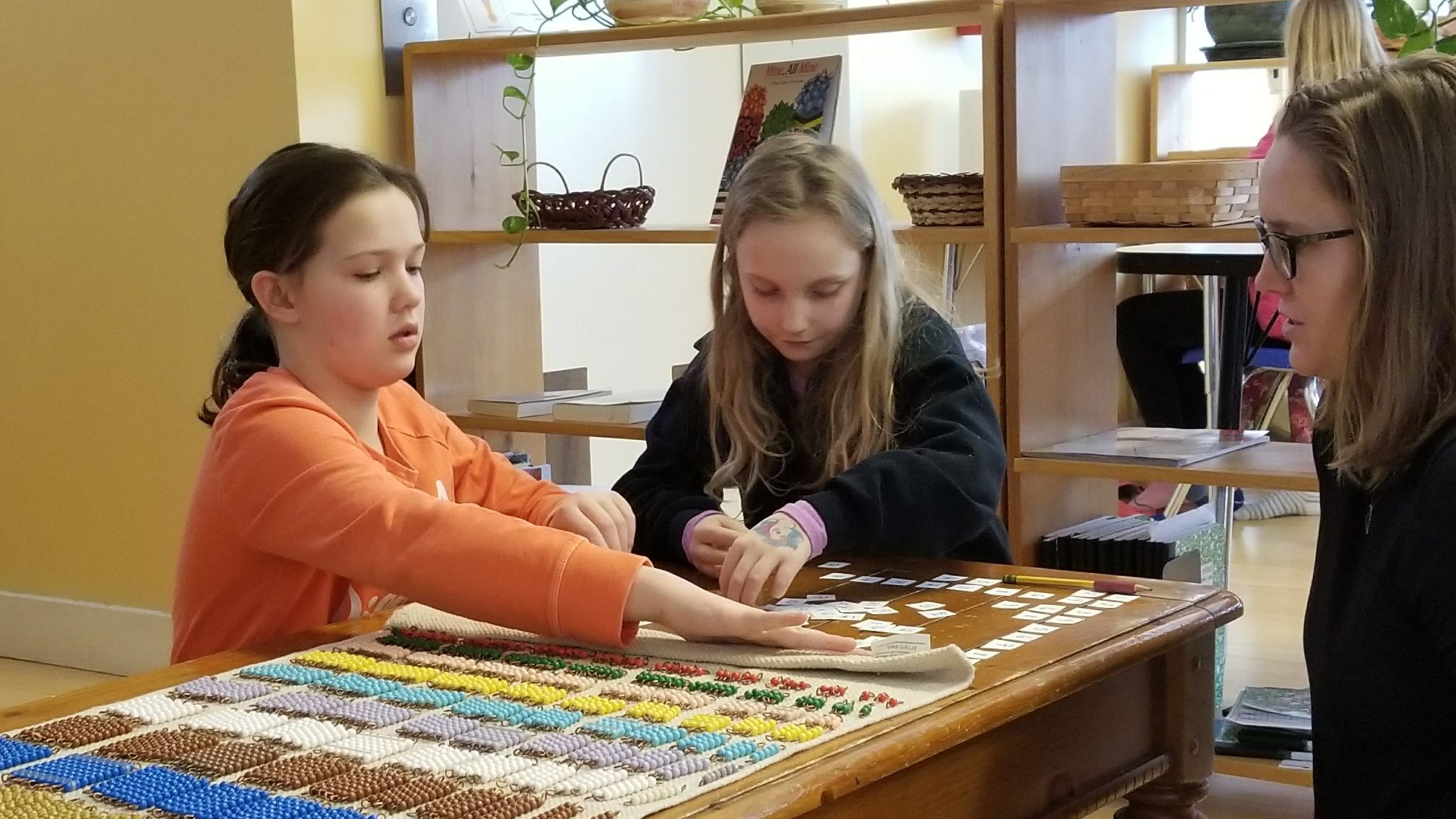
Advanced Practitioner’s Class
The Advanced Practitioner’s Class (formerly the Master Class) is designed for Montessori educators and leaders who have taken the Practitioner’s Class. The goal of this course is to deepen participants’ understanding of the principles and practices of Positive Discipline in the Montessori Classroom and to advance its consistent and effective implementation in classrooms and schools.
Focused Learning
Conflict to Collaboration
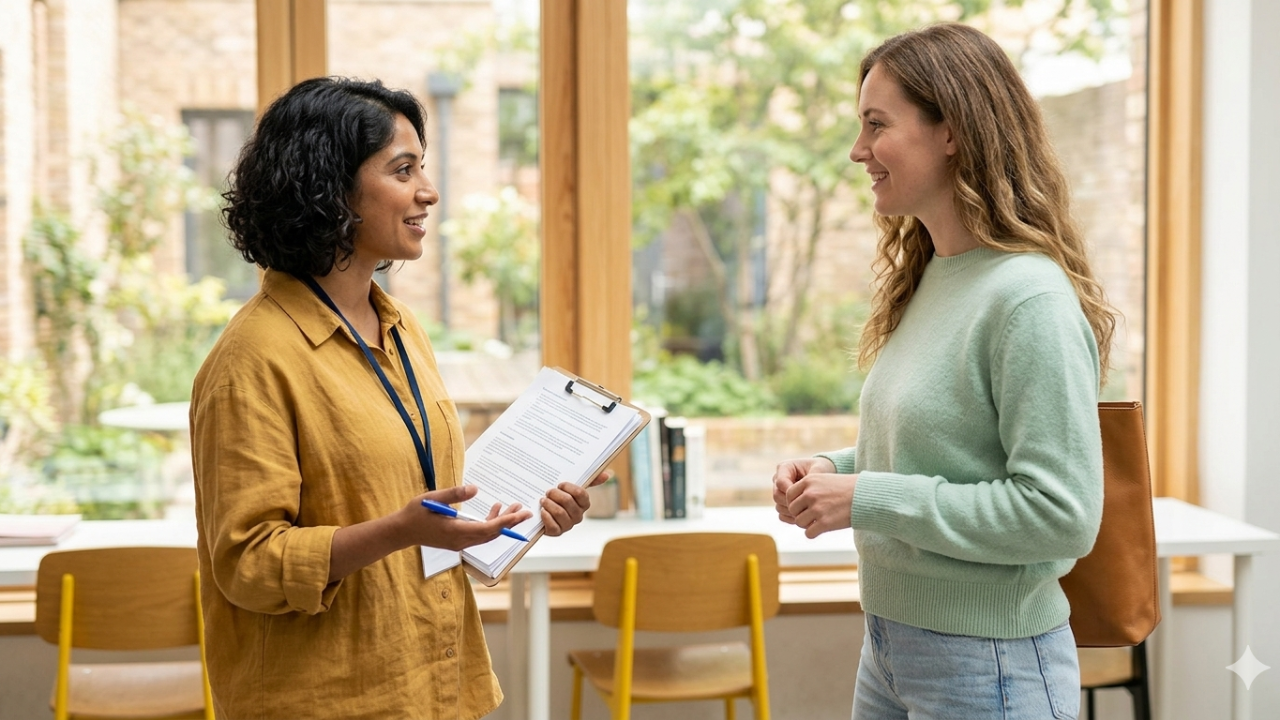
The Conflict to Collaboration course is designed for Montessori educators and school leaders who want to build strong, effective relationships with parents while maintaining professional boundaries and reducing stress. Children thrive when teachers, leaders, and parents collaborate with clarity, consistency, and mutual respect.
Testimonials
What Montessori Educators Are Saying
Upcoming Events
Upcoming Workshops & Trainings
Explore upcoming training opportunities in Positive Discipline in the Montessori Classroom.
Level 2 Training
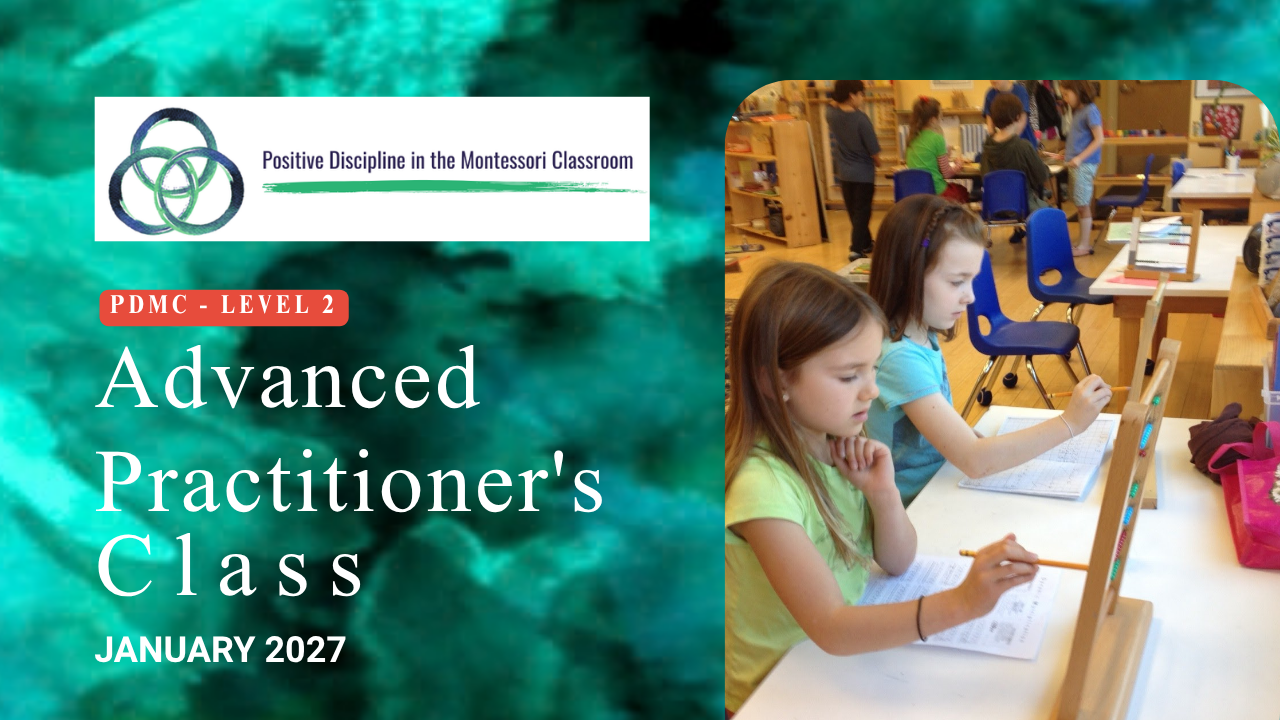
Advanced Practitioner’s Class — January 2027
Build on the Practitioner’s Class foundation through discussion, reflection, and practical application.
Class Begins: January 12, 2027
Early Registration Ends: December 27, 2026
Early Registration
$375
Register by December 27
Regular Registration
$425
After December 27
Foundational Training
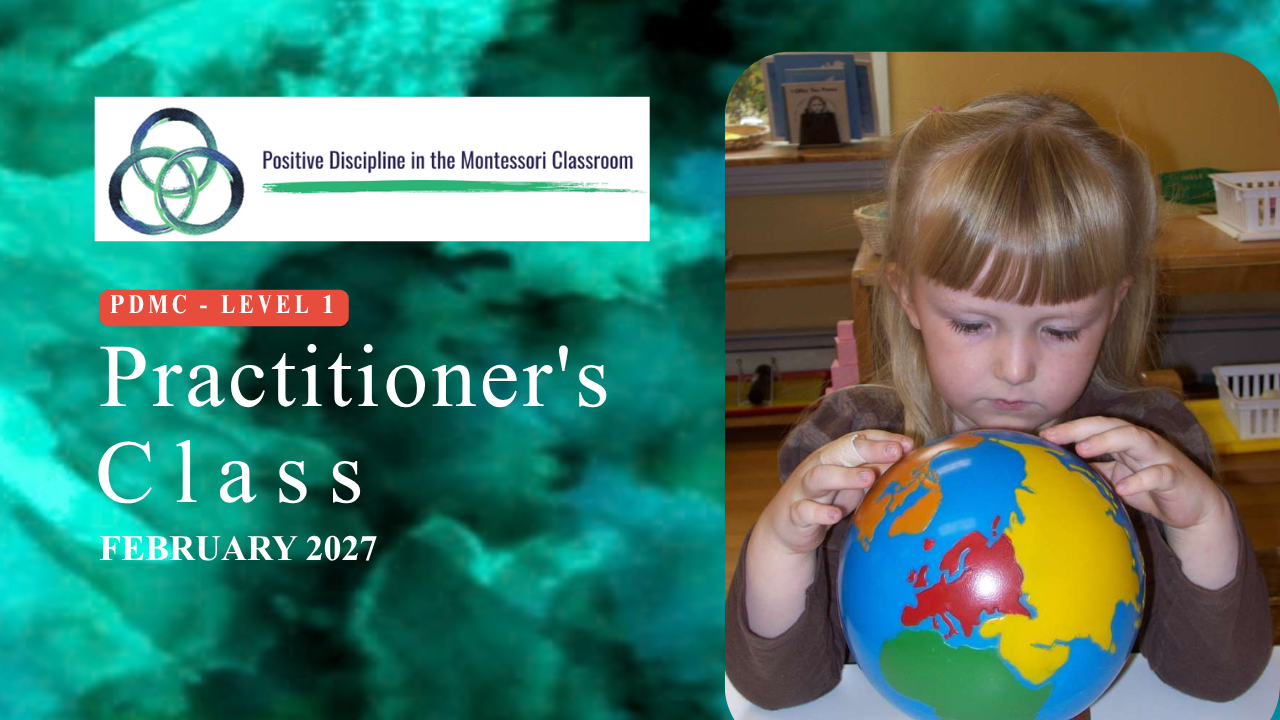
Online: Practitioner’s Class — February 2027
The Foundation of Positive Discipline in the Montessori Classroom
Class Begins: February 22, 2027
Early Registration Ends: January 31, 2027
Early Registration
$375
Register by January 31
Regular Registration
$425
After January 31
School Partnerships
Partner With PDMC
Supporting schools in building a shared approach to Positive Discipline in the Montessori Classroom.
Whole School Training
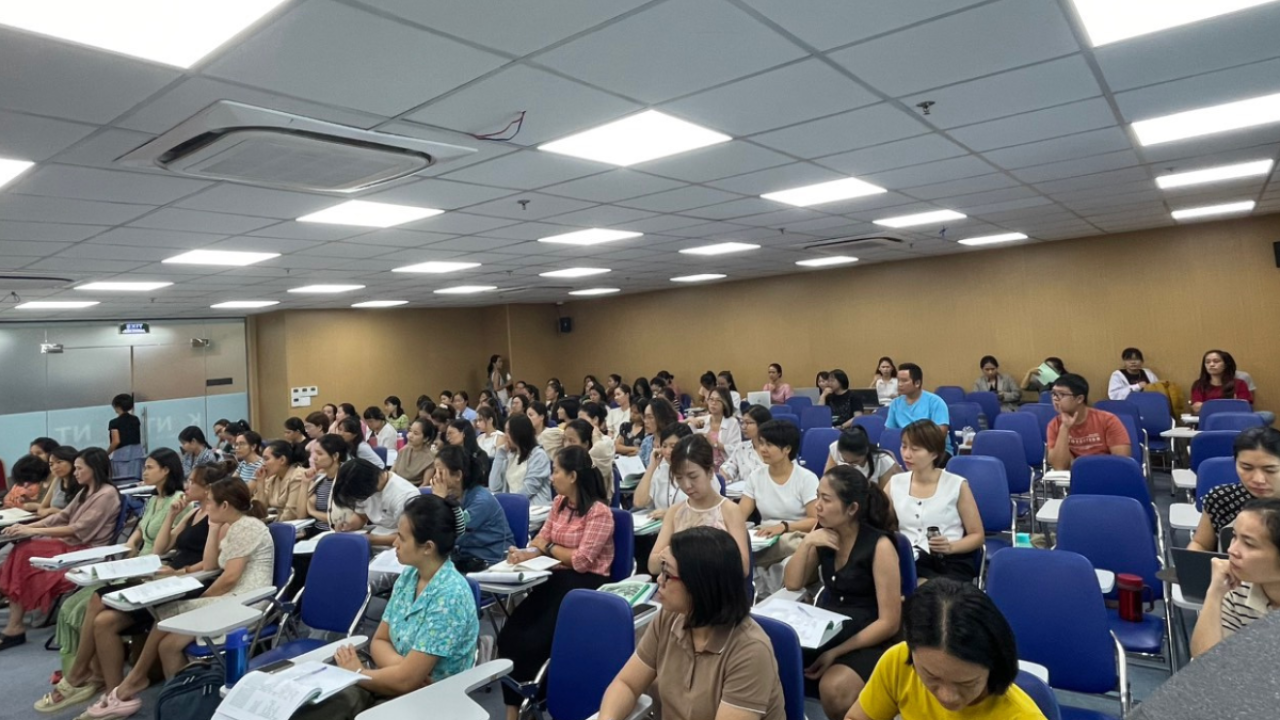
Building a Shared Approach
Professional learning for Montessori schools begins with the Practitioner’s Class, providing faculty with a shared understanding of Positive Discipline in the Montessori Classroom. Schools may then continue through the Practitioner’s Pathway or explore focused courses that address specific aspects of Montessori practice.
✓ Available Online and In Person
Coaching & Consulting
Support for Schools, Leaders & Educators
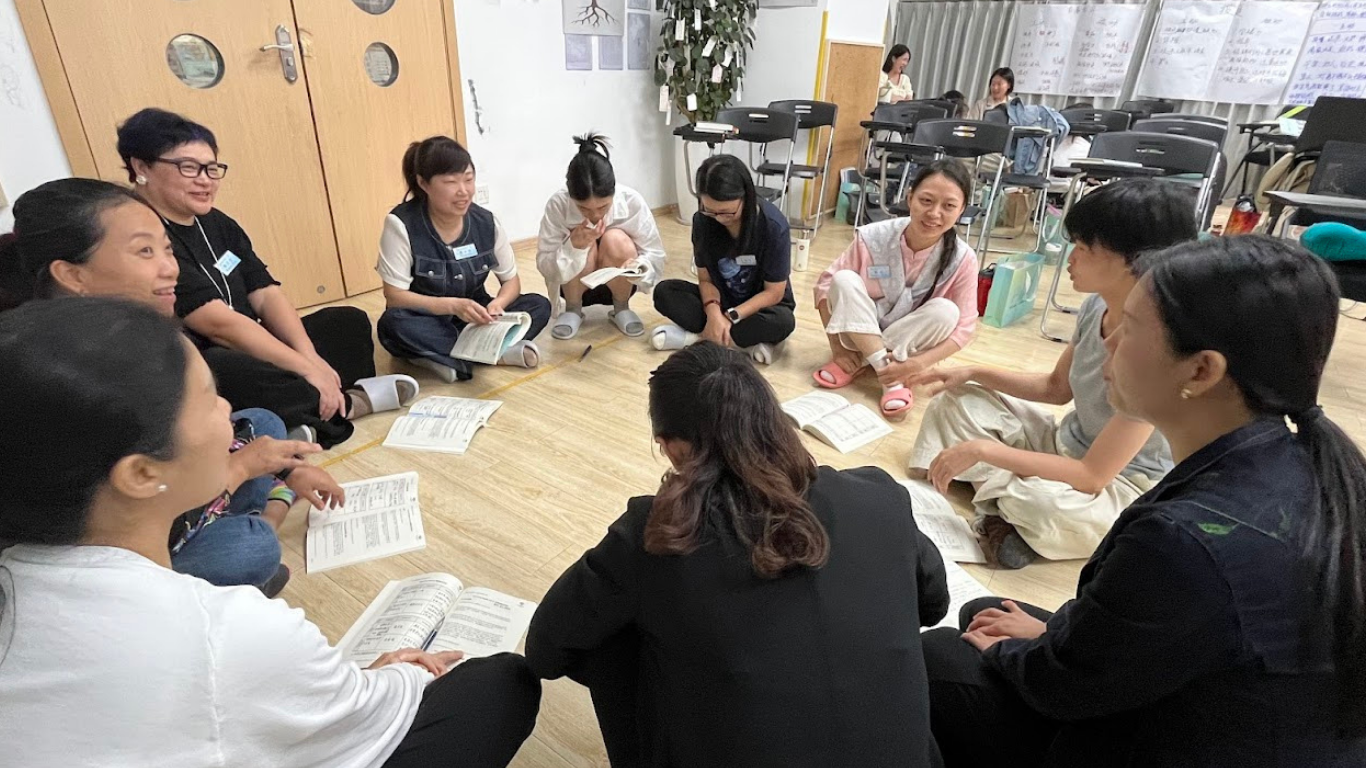
Professional support for Montessori schools through coaching, consulting, and professional development. Services are designed to strengthen classroom practice, leadership, and the thoughtful implementation of Positive Discipline in the Montessori Classroom.
The Book
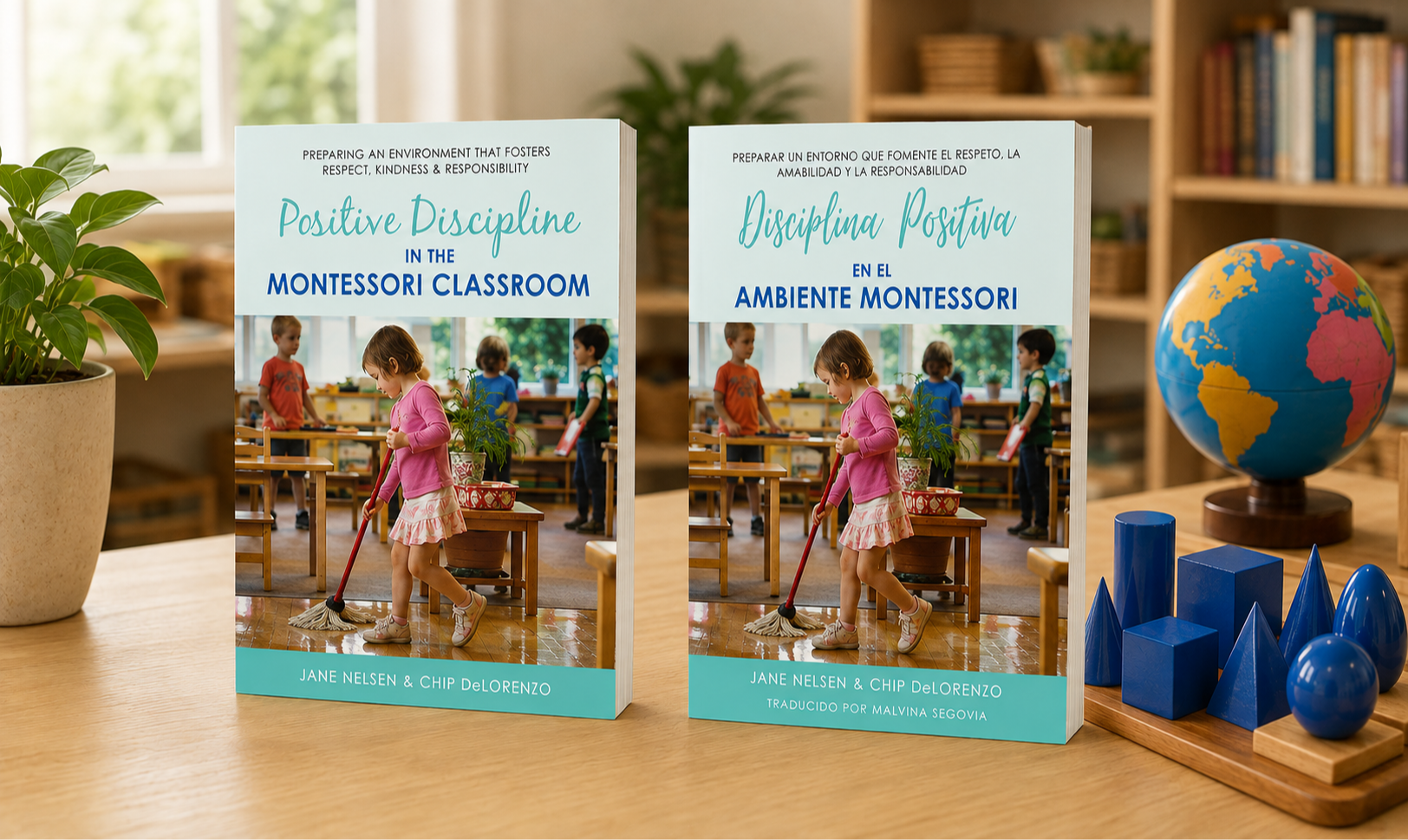
The Book That Brought Montessori and Positive Discipline Together
A practical, research-grounded resource for educators seeking to create environments where children feel a sense of belonging, develop responsibility, and thrive as lifelong learners.
Co-authored by Chip DeLorenzo & Dr. Jane Nelsen

Trusted by Educators